God Created, Linnaeus Organized: The Man Who Brought Order to Biology
Author: Sirius King
Proofreader: Millisecond
Biology consultant and reviewer: Kuicao
What does it take to count as a success? Some would say becoming a billionaire or the world’s richest person; others, becoming famous far and wide. And what does it take to become immortal? Some would say a place in the history books; others, a monument and a biography. Yet one man spent much of his life poor, ill, and little known, and did not rise in social rank until his later years. Today, his portrait appears on Swedish banknotes, his statues stand on university campuses, biologists revere him, and his country honors his memory. He was the Swedish naturalist known as the father of modern biological taxonomy, a pioneer of binomial nomenclature, and the “Prince of Flowers”: Carl von Linnaeus.

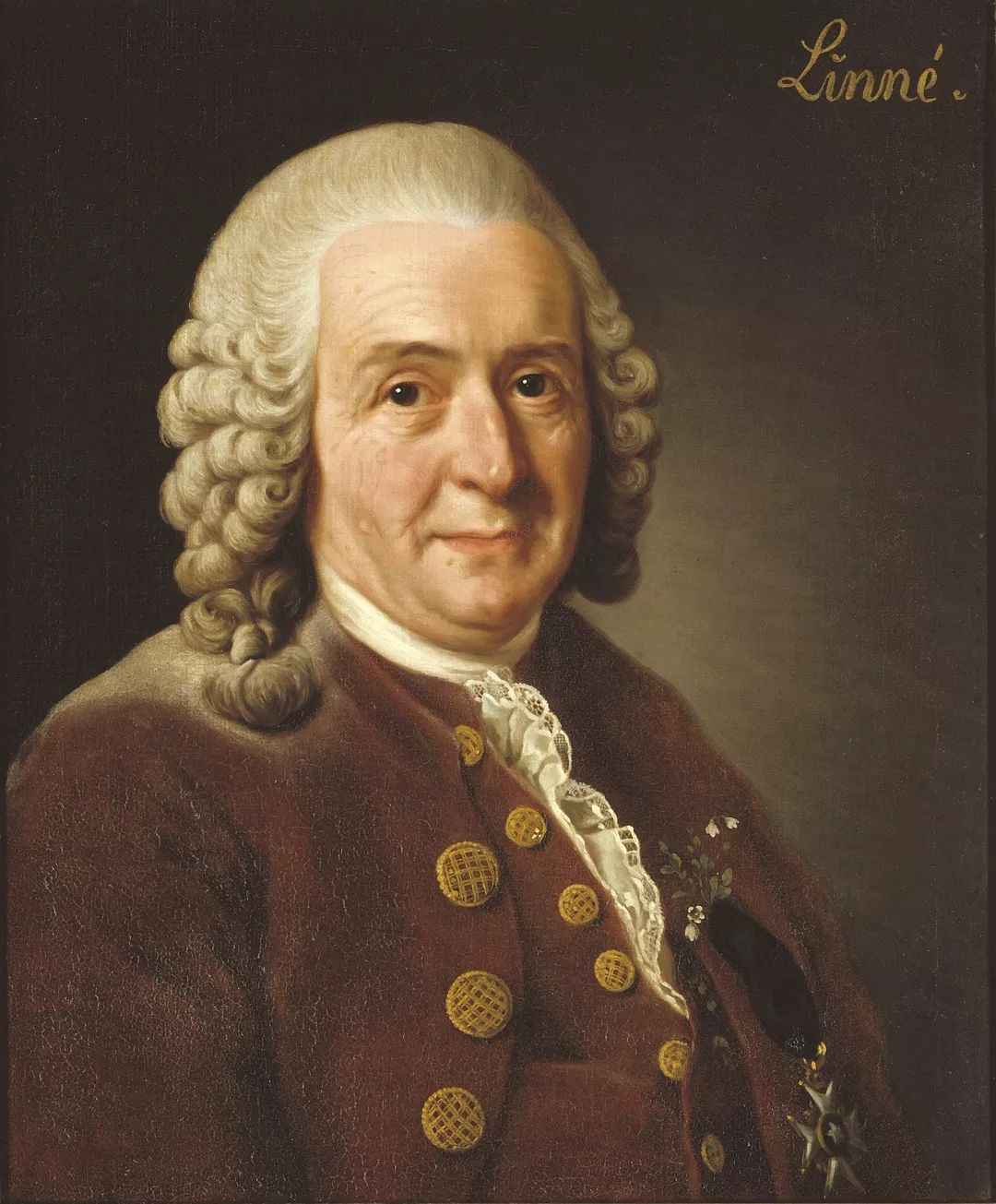
Linnaeus and the linden tree
At first, he was simply Carl Linnaeus. The prefix von signified that a family was, or had once been, noble. In fact, his ancestors had been fierce but never wealthy. Linnaeus came from Småland, and Swedes can trace their lineage back to the Vikings. His father, Nils Linnaeus, coined the surname Linnaeus from the linden tree at the family’s old home, lind being Swedish for linden. Perhaps it was fate: although Nils was a pastor, he took a keen interest in plants and gave his son his first grounding in natural history and botany. Raised in this household, young Linnaeus showed a love of botany from an early age. His primary-school teacher and headmaster encouraged that interest as well.
Linnaeus the physician
Like fathers everywhere, Nils dearly hoped that young Linnaeus would follow him into the clergy. But people often grow in directions that defy others’ expectations, and education has a great deal to do with it. When Carl was nineteen, one of his secondary-school teachers told Nils that his son would never become a scholar or a pastor, though he might make a doctor. Physicians at the time often doubled as botanists, but this was still far from what Nils had envisioned. Rothman, both Nils’s physician and Carl’s teacher, agreed to teach Carl medicine and believed it offered him “a respectable and profitable career.” Nils must have felt as though his first character build had failed. Fortunately, his younger son Samuel eventually became a pastor, which cheered him up. Linnaeus first studied at the university in Lund, then transferred to Uppsala University the following year. Though poor, he remained a medical student throughout. Unfortunately, one university’s medical faculty lacked instructors, while the other’s existed in name only. That “respectable and profitable career” now looked like a fantasy. Both schools had pulled a bait-and-switch on this poor twenty-one-year-old. Was that honorable? No. Did he still have a chance?
When God closes one door, he opens another. On the dean’s recommendation, Linnaeus became an instructor in botanical demonstrations during his second year. It was his first time teaching a class, and it opened another possible path. Still, one question is hard to avoid: at a university that large, was putting a second-year student in charge of a course, even one who had written a paper, really anything more than letting him improvise at the lectern?
Linnaeus the field researcher
To prove himself, and perhaps secure a professorship one day, Linnaeus needed credentials. In 1732, with funding from the Royal Swedish Society of Sciences, he set out on a natural-history expedition into what was then the wilderness of Lapland. (That is Lapland, not Lappland. Any Doctors who have lost all Sanity should read carefully.) His route is shown below.
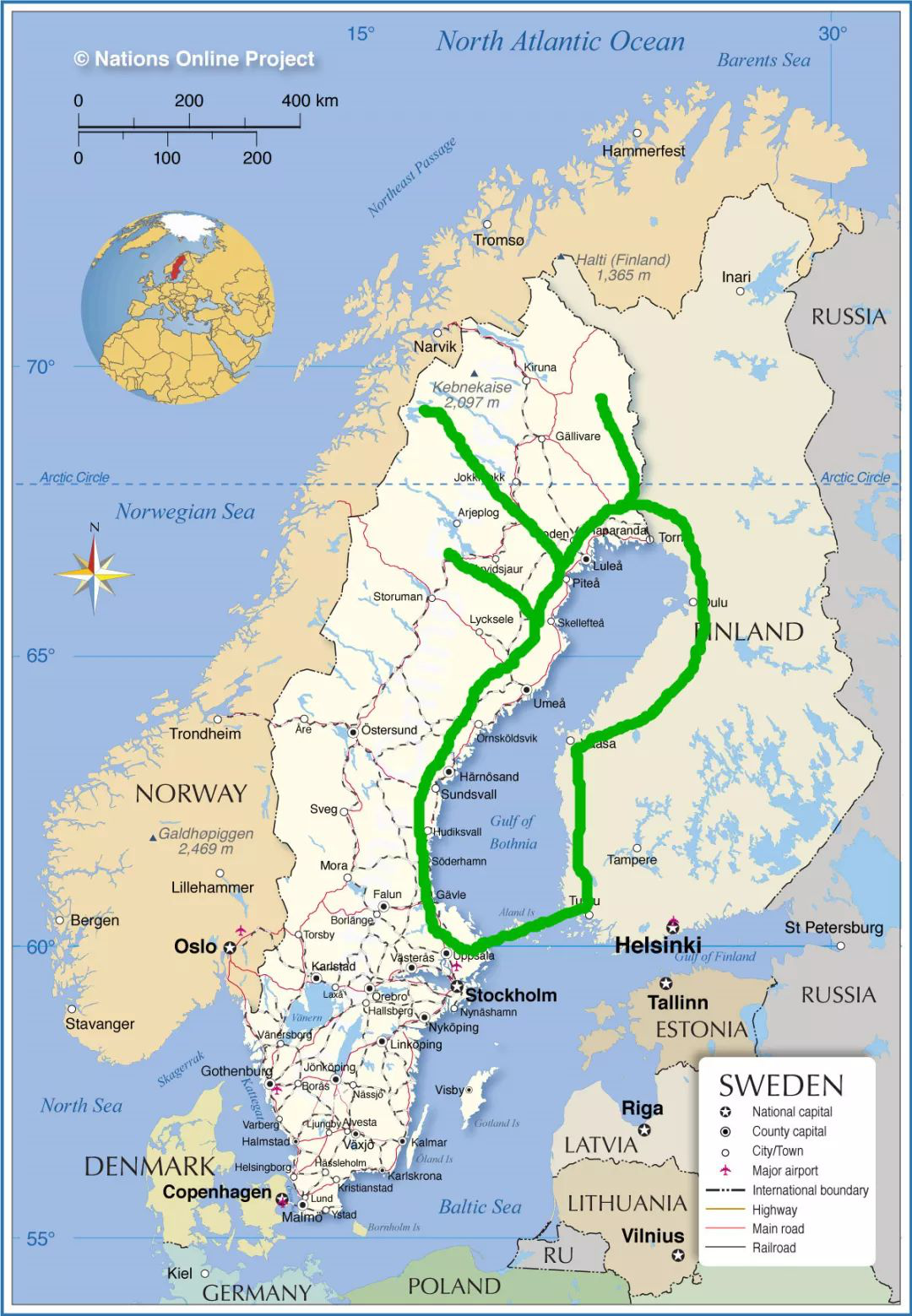
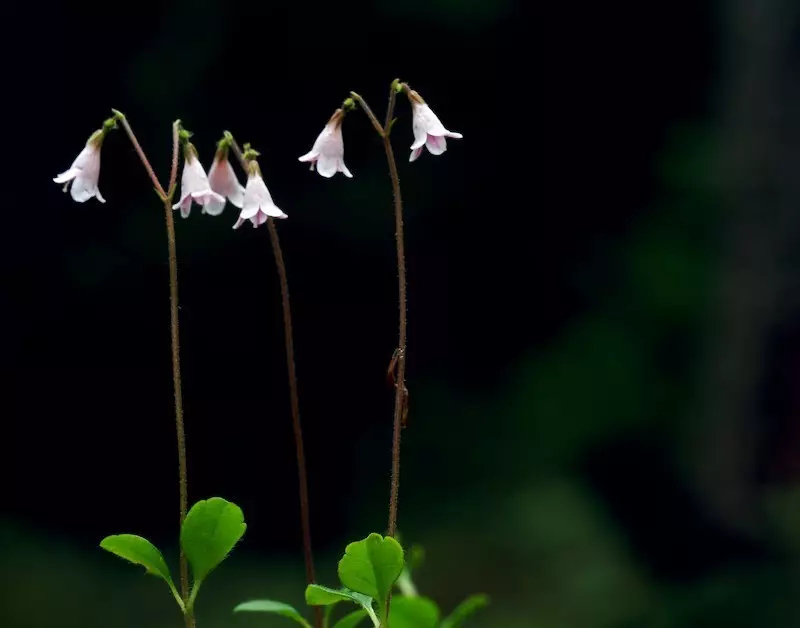
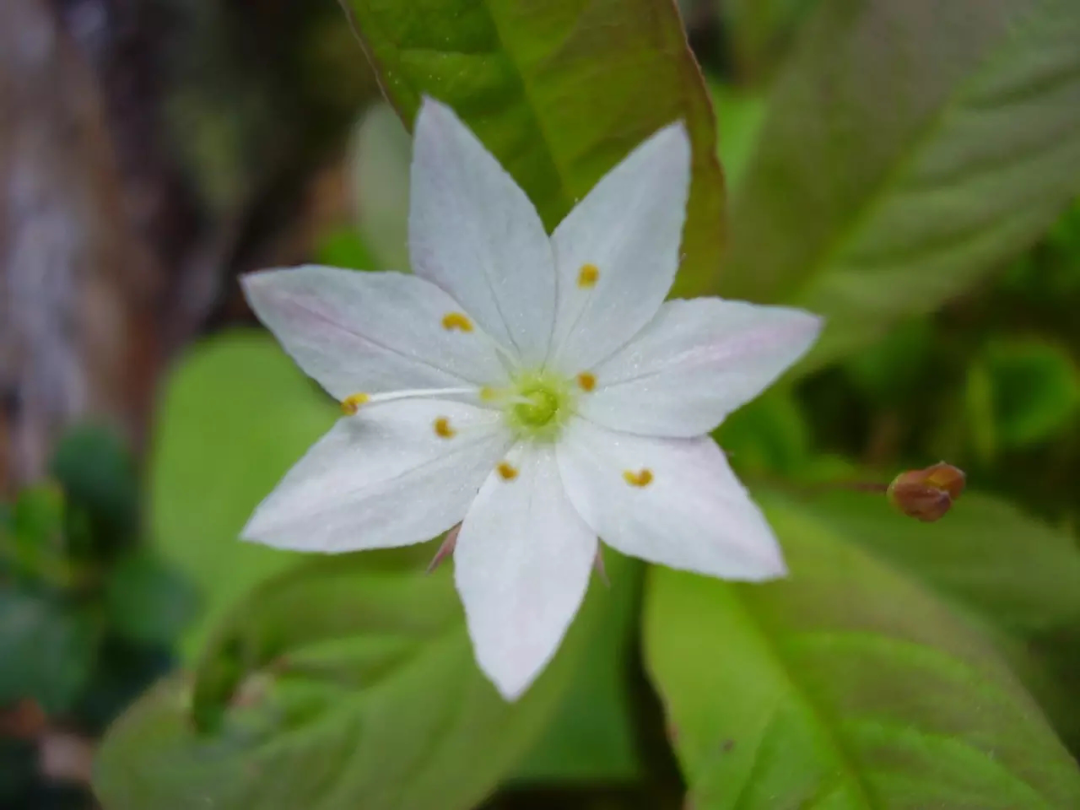
The expedition suited both his interests and his career ambitions, but the grant amounted to only four hundred thalers. The sources available to the author do not make clear what that sum could buy, though it appears to have been very little. A game may now let us admire the scenery of Scandinavia and the surrounding region, but in real life, wild berries alone will not restore your stamina. Unlike his ancestors, Linnaeus plainly had no chance to raid England in a longship. We cannot know how he endured five grueling months of hunger, exhaustion, and poverty. Perhaps he relied on the toughness bred into the people of Småland; perhaps he drew strength from the creed he always held: “God created, Linnaeus organized.” Although the report he later submitted contained fabrications and exaggerations, his diary leaves no doubt about the hardships. He kept warm mostly by shivering, rarely had the means to cook, could barely stomach the food, and faced constantly changing road conditions. At a time when one thorough soaking could be fatal, he had to travel while collecting plant and animal specimens and documenting local customs. It was punishing work. To dismiss his claims as fraudulent boasting misses the point; he was pitching to investors. The journey left him with great admiration for the people of Lapland and a special fondness for twinflower and chickweed wintergreen. It produced two books: Flora Lapponica and his diary.
Back in Uppsala, Linnaeus made money by giving private lessons in mineralogy. During this period, he met the love of his life, Sara. In the long run, she was not a good wife, and their marriage was unhappy. At the time, however, Linnaeus boldly proposed and won her hand, perhaps encouraged by the generous dowry. Then, unlike most newly engaged men, he took a job as a private tutor and accompanied his student all the way to the Netherlands. There, his academic spring would begin.
Linnaeus’s academic career took off in the Netherlands. At twenty-eight, he obtained a medical doctorate in about a week (yes, essentially bought on the cheap), and Systema Naturae was published that same year. During his travels, he met and corresponded with many botanists and examined collections of rare specimens. In 1737, he wrote Genera Plantarum. The young Linnaeus took the Netherlands and other countries by storm. Before turning thirty, he had made a name for himself everywhere except home.
Professor Linnaeus
God seems to have played one joke too many on Linnaeus. Other men “rise to high office, then return home in wealth and honor.” He came home with neither fame nor fortune. Worse, after nearly attaining both abroad, he almost lost his fiancée at home because a rumor said he had died overseas. With God having shut the door, sealed the windows, and nearly blocked the dog flap, Linnaeus had no choice but to practice medicine without a license in Stockholm. A chair in medicine opened at Uppsala University in 1741, but the competition was fierce. Through ability, maneuvering, and connections, Linnaeus fought his way to the lectern. He was no longer the second-year student he had once been, and his teaching was anything but improvised. Praeludia Sponsaliorum Plantarum, Systema Naturae, and Genera Plantarum attested to his training; he had explored Lapland and spent three years abroad. Clearly, he arrived prepared. Professor Linnaeus attracted many students and sent them around the world on scientific expeditions, as shown below.
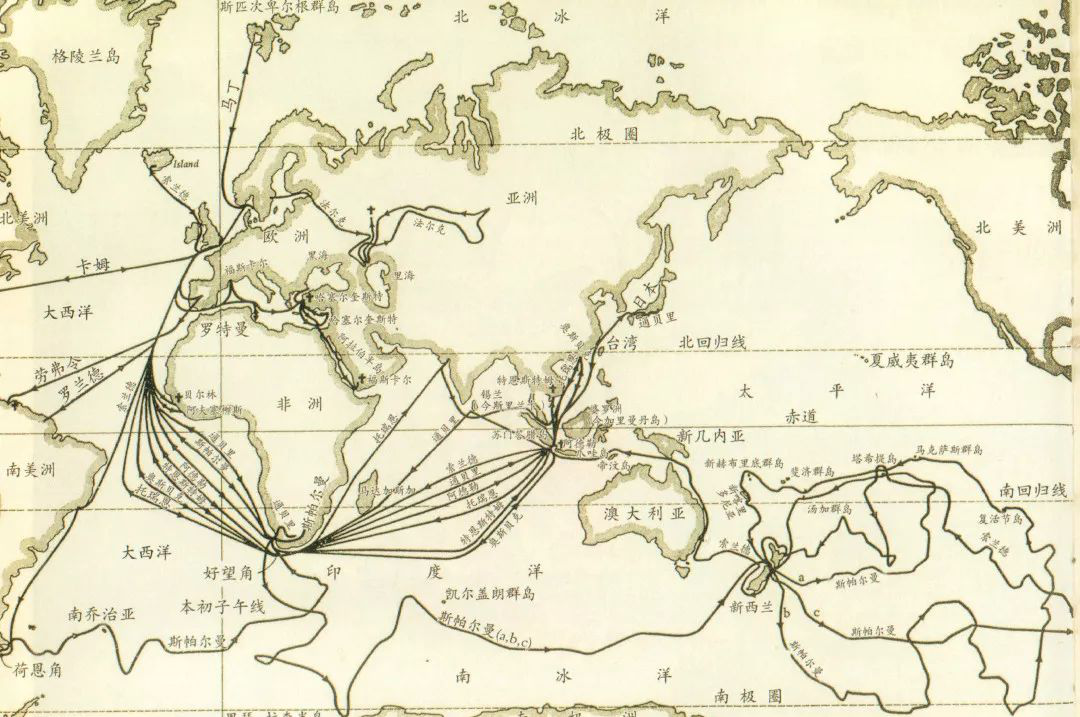
All that effort paid off. In 1750, Linnaeus became rector of Uppsala University. With a leading botanist on campus and his disciples collecting material around the world, the days when medicine and botany existed only in name were over. Between 1753 and 1769, Linnaeus produced Species Plantarum and the tenth edition of Systema Naturae. The former applied binomial nomenclature throughout the plant kingdom; the latter applied it throughout the animal kingdom. The foundations of modern taxonomy were in place.
Linnaeus at home
Away from the university, Linnaeus had a busy family life. He and his wife raised one son and four daughters, but the son did not live up to the father: the younger Linnaeus seemed interested only in pleasure. Linnaeus valued his daughters even less. He did not want them to be dolls, but he was even more opposed to their becoming women scholars, so he refused to let them study French or pursue higher education. Even by the standards of his own time, that was not a wise decision. In fact, Linnaeus was a poor parent. In 1753, he was made a Knight of the Order of the Polar Star. A knight was not a nobleman, but ranked above a commoner.* Linnaeus was delighted, though he could hardly have imagined that greater honors awaited him later in life. Years of early exertion seem to have aged him beyond his peers. In 1754, his son Johannes was born, and the new life appeared to bring fresh hope to the family. Tragically, Johannes died in 1757. Since losing his father in 1748, Linnaeus had now lost both parents and two children, and he was still poor. This succession of blows was enough to make him consider retirement. The following year, he bought two country estates. To meet the mortgage payments, he developed and patented a method for cultivating freshwater pearls. He offered the patent to the state in exchange for 3,000 plåt and the right to name the next professor. The state promptly sold it to a jeweler for the same 3,000 plåt and demanded a share of the proceeds. In a classic “maybe next time” response, the Swedish government made Linnaeus a nobleman as a reward for selling it the patent. (A like and a share cost nothing, so why not?) Linnaeus was overjoyed by his rise in rank. From then on, the name Carl von Linnaeus rang across Europe.
Linnaeus in later life
There is little to say about Linnaeus’s later years. He remained poor and ill, remained devoted to plants, and continued to endure a troubled family life. (What a luckless man.) In 1778, the “Prince of Flowers” died, but the disorder continued after his death. His will called for a simple burial and the careful preservation of his specimens, while his wife remained as fond of ceremony as ever. Uppsala Cathedral was solemn and dignified; at the Linnaeus country home, everything was chaos. Fortunately, his elder son, Carl Linnaeus the Younger, helped put the collections in order, only for Sara to sell them at a high price soon afterward.
Closing a biography of Linnaeus, the author was struck by how quickly worldly things pass. Before Linnaeus, species names followed no consistent rules: they might be lengthy or obscure, while duplicate names and multiple names for the same organism were common. After him, the binomial system he promoted brought clarity and simplicity, benefiting countless people. He entered the world empty-handed and left it with only two small estates. The one technology that might have made him rich, freshwater pearl cultivation, was no longer his. His noble title could not pass to his son, and even his collection was sold to Britain after his death. Born into a pastor’s family, Linnaeus carried a certain religious sensibility: naked he came and naked he departed, as though only twinflower and chickweed wintergreen remained to prove that he had ever lived. Compared with the hundred-krona note that eluded him, perhaps this was the mark he most wanted to leave.
*: This claim is disputed. The material on knighthood in the second paragraph came from the author’s adviser on European culture, Herr von Schnelltenberg. According to Wilfrid Blunt’s The Compleat Naturalist: A Life of Linnaeus, however, Linnaeus was entitled to use von after becoming a Knight of the Order of the Polar Star. This article provisionally follows the former account.
The author would like to make a joke: read the full article, like it, and share it to improve your recruitment odds for the following Operators: Suzuran, May, Myrtle, Vanilla, Absinthe, Hibiscus, and Vigna; Nightingale, Eunectes, Snowsant, and FEater; Mudrock, Flint, Asbestos, Beeswax, Platinum, and Myrrh.* The list comes from PTRS, with some information drawn from APG IV, the Flora of China database, and PTRS. The overall order is plants, animals, then minerals. Standard Chinese names take precedence, followed by common names. Within each group, entries are sorted by descending rarity; entries of equal rarity follow the phylogenetic tree, with disputed cases listed last. Minerals are ordered by descending rarity. Linnaeus himself controls the size of the recruitment bonus. Whether Rosmontis returns depends on the old gentleman’s mood. This buff has nothing to do with Hypergryph and is pure superstition. In any case, may the grand master bless you all!
* A few less familiar names: Central Asian wormwood is commonly called absinthe wormwood, an ingredient in Vermouth (scratch that, absinthe); the identity of “red bean” is disputed; “snow pheasant” is a common name for the white-eared pheasant; and myrrh is the resin of a myrrh tree.
PS: This article is a preview of a scientist cosplay and an introduction to Linnaeus’s life and historical background. For the original cosplay photos, follow the official QQ account’s Qzone at 2681412751 (tap “Read the original”), or the author’s own Qzone at 305534565.
Images without credited sources were found online and will be removed upon request.
 爱发电(点击图片跳转)