Basic Mineral Descriptions: How to Read a Rock
Basic Mineral Descriptions: How to Read a Rock
Author: 约翰史密斯
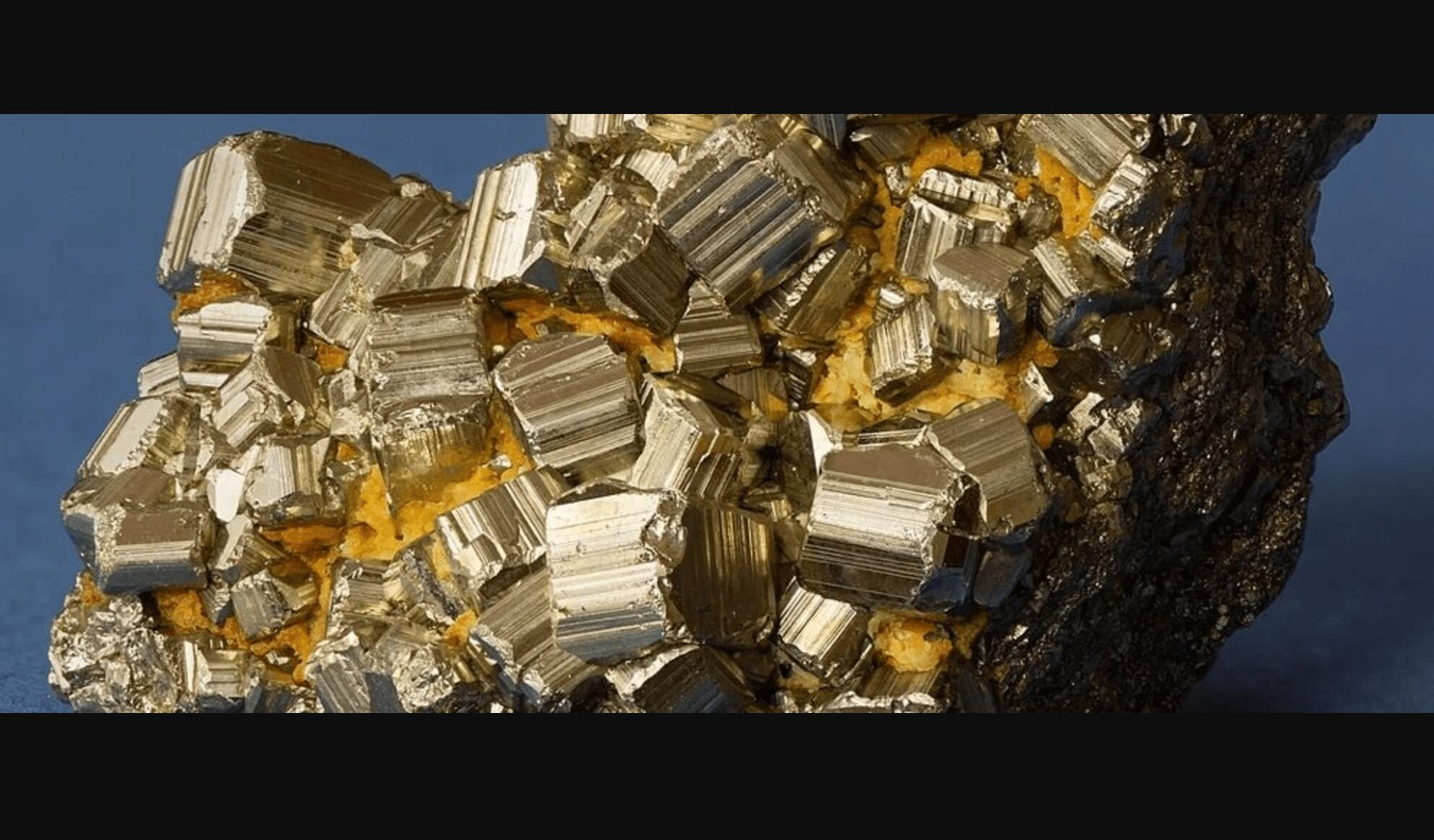
Color: What is its overall color? Is it uniform or a mixture of colors?
Transparency: Is it transparent, translucent, or opaque?
Luster: Does it have a metallic or waxy appearance? Does it sparkle?
Cleavage: Does it split along straight, flat planes? Are those planes continuous or discontinuous?
Fracture: What shape does the broken surface have? Is it conchoidal or rough? Does it follow a regular pattern?
Twinning: Is the crystal twinned? If so, what type of twinning does it exhibit?
Density: This one is self-explanatory.
Hardness: This one is self-explanatory.
Streak: What color is the powder produced by rubbing the mineral, and does it have any distinctive properties?
Magnetism: This one is self-explanatory.
Optical activity: Does a thin section rotate the plane of polarized light? If so, by how much?
Fluorescence: Does it glow under ultraviolet light or at a particular wavelength?
Environment: Was the mineral found in igneous, metamorphic, or sedimentary rock? Was there anything unusual about the setting?
 爱发电(点击图片跳转)